Excavation in construction means removing earth, rock, or other material to prepare a site for building. It’s the first real work that happens on any project — before a foundation is poured, before utilities go in, before grading happens. If the excavation is done right, every phase that follows runs smoother. If it’s done wrong, you’re fixing problems for the life of the build.
This guide covers the main types of excavation, how the process works from start to finish, what equipment gets used, and what property owners and contractors should know before breaking ground in Arizona.
What Is Excavation in Construction?
Excavation is the process of moving soil, rock, or other material from a site to create a usable space. That might mean digging down to place a foundation, cutting through caliche to prep a building pad, or clearing and shaping a large commercial site before construction begins.
What is excavation in construction? Excavation is the controlled removal of earth or rock from a site to prepare it for a foundation, structure, utility system, or drainage feature. It is the first and most foundational step in nearly every construction project.
Every type of excavation serves a different purpose. Understanding which type applies to your project helps you plan the right equipment, timeline, and budget.
Main Types of Excavation in Construction
Topsoil Excavation
This is the removal of the top layer of earth — typically the first 4 to 6 inches — which contains organic material, roots, and vegetation. Topsoil is stripped before any grading or structural work begins because it’s too soft and unstable to build on. In Arizona, you’ll also encounter caliche, a hard calcium carbonate layer just below the surface, which often needs to be broken up during this phase.
Earth Excavation
Earth excavation removes the soil below the topsoil layer. This is the bulk of the work on most residential and commercial sites — cutting down to the elevation needed for a foundation, road base, or building pad. It requires heavy equipment and careful attention to elevation specs.
Rock Excavation
When a site has rock, granite, or dense caliche that can’t be moved by standard equipment, rock excavation techniques are used. This might involve hydraulic hammers, ripping with a dozer, or saw cutting. It’s slower and more expensive than earth excavation, and it’s common in parts of the East Valley and Central Arizona where the ground is particularly hard.
Building Pad Excavation
A building pad is a level surface cut or built up to the correct elevation for a structure. Pad excavation involves cutting down from high points, filling low points, compacting the subgrade, and achieving the precise grade called for in the plans. Commercial GCs rely heavily on this type — it’s the work that happens before the concrete contractor shows up.
Did You Know: In Arizona, caliche layers can range from a few inches to several feet thick. On one commercial pad job in Queen Creek, the Mirage crew encountered caliche at just 8 inches below the surface that required hydraulic hammer work across the entire footprint — something that wasn’t visible in the pre-bid site walk. Getting an experienced local crew matters for accurate scoping.
Cut-and-Fill Excavation
Cut-and-fill is used on larger sites where material from high spots (the “cut”) is moved and used to build up low spots (the “fill”). A well-executed cut-and-fill operation reduces the amount of material that needs to be hauled off site, saving both time and disposal costs. It requires careful planning so the cut and fill volumes balance out.
Trench Excavation
Trench excavation creates narrow, deep cuts for underground utilities — water lines, sewer pipes, electrical conduit, and drainage systems. Trenches follow specific depth and width requirements depending on the utility type. Learn more about the standards and methods involved in our guide to trenching services.
Basement Excavation
Basement excavation removes large volumes of material to create below-grade living or working space. It’s less common in Arizona than in colder climates, but it does occur on custom residential projects and some commercial builds. Proper shoring is often required to keep the walls of the excavation stable during work.
How the Excavation Process Works
Pro Tip: Before any digging starts on a site in Arizona, call 811. Arizona law requires you to contact Arizona 811 at least two full working days before breaking ground. It’s free, it marks underground utilities at your site, and skipping it can mean fines, damaged lines, and costly project delays.
Phase 1: Site Assessment and Planning
Before equipment arrives, the excavation contractor reviews the site plans, walks the property, and identifies any conditions that could affect the work. In Arizona, that means checking for caliche depth, existing utilities, drainage patterns, and access points for equipment.
Phase 2: Site Staking and Layout
Survey stakes mark the excavation boundaries and target elevations. This gives the equipment operator precise reference points throughout the job.
Phase 3: Clearing and Stripping
Vegetation, debris, and topsoil are removed first. This material is either stockpiled for later use or hauled off site, depending on the project requirements.
Phase 4: Bulk Excavation
This is the main earthmoving phase. Excavators, bulldozers, and scrapers cut down to rough grade. On larger sites, this phase can run for days or weeks depending on the volume of material and soil conditions.
Phase 5: Subgrade Prep and Compaction
Once bulk excavation reaches the target elevation, the exposed subgrade is shaped, compacted, and tested. Compaction is non-negotiable — loose or improperly compacted subgrade causes settlement, cracking, and structural failure later on. This phase connects directly to the grading services that follow on most commercial projects.
Excavation Equipment: What Gets Used on a Job Site
Different phases of excavation call for different machines. Here’s a straightforward look at the most common equipment:
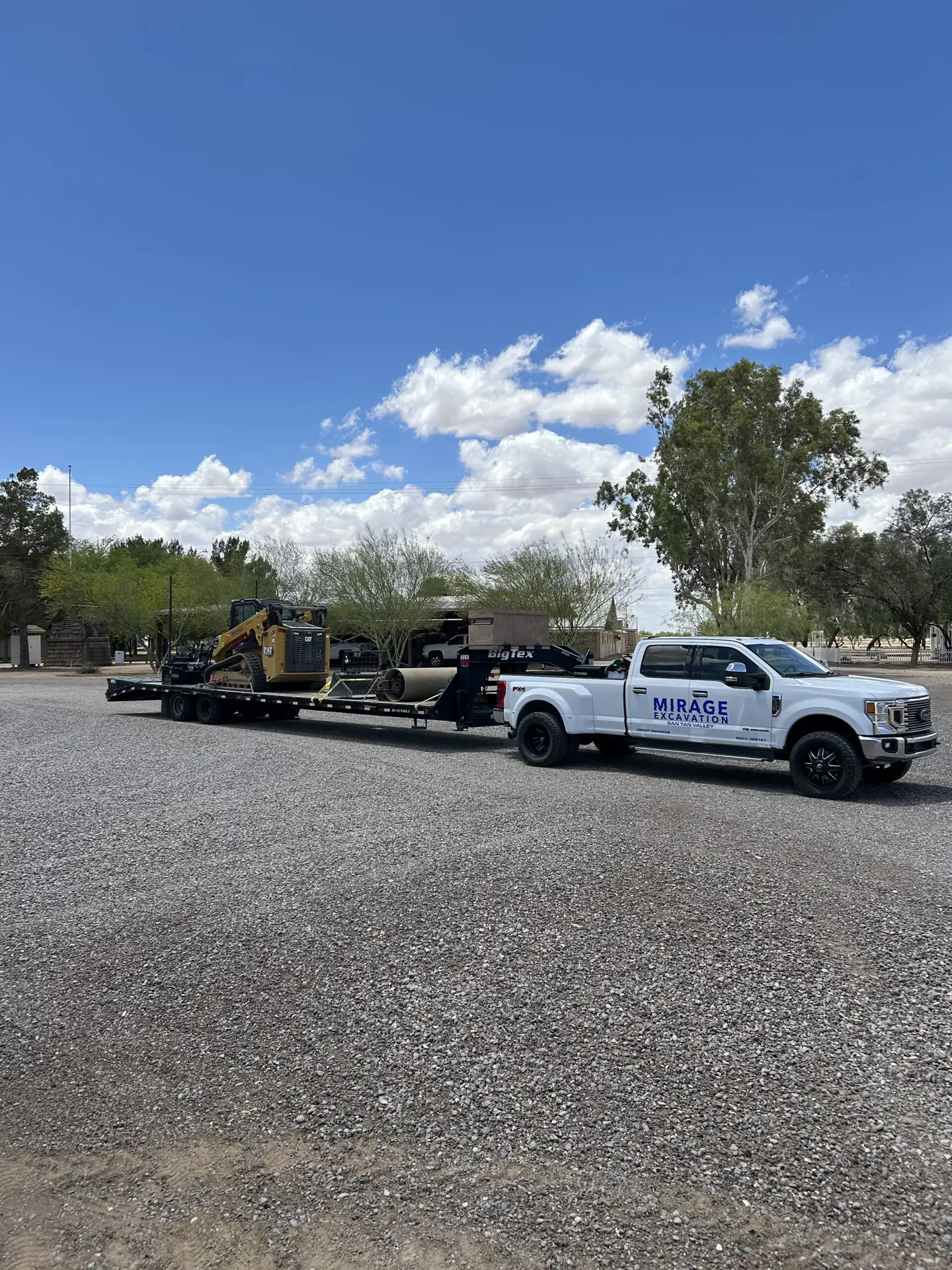
Excavators are the primary digging machines — hydraulic-powered, tracked machines that rotate 360 degrees. They handle most bulk digging, trench work, and material loading.
Bulldozers push material across the site, strip topsoil, and rough grade large areas. They’re especially useful on wide, open sites.
Skid Steers are compact, maneuverable machines that work in tight spaces. They load trucks, spread backfill, and do detailed work around structures.
Motor Graders produce precise finish grades — they’re used late in the process to hit exact elevation tolerances before paving or foundation work.
Compactors pack down the subgrade after excavation is complete. A site that isn’t properly compacted will fail no matter how well everything else is done.
Did You Know: Equipment selection affects your project timeline significantly. A commercial site that needs a 50-ton excavator for rock breaking can’t substitute a mini excavator without adding days to the schedule. This is one reason experienced excavation contractors walk a site before pricing a job — not after.
Commercial vs. Residential Excavation: Key Differences
Commercial excavation typically involves larger footprints, stricter tolerances, tighter schedules, and more coordination with GCs, engineers, and inspectors. Permitting is more involved, soil testing is often required, and the stakes for hitting grade correctly are higher.
Residential excavation is generally smaller in scale, but Arizona’s soil conditions make even small jobs complex. A single-family addition in Queen Creek might require the same rock-breaking equipment as a larger commercial pad if caliche is present.
For a deeper look at how these two types compare, see our breakdown of commercial excavation vs. residential excavation.
What to Expect Timeline-Wise
A small residential project — a building pad or foundation cut — typically takes one to three days. A commercial building pad for a quick-service restaurant or small retail building usually runs three to five days. Larger commercial sites, multi-acre grading jobs, or projects with significant rock can run two to four weeks or longer.
Factors that extend timelines in Arizona specifically include: caliche or granite requiring mechanical breaking, permit delays, monsoon season (July–September), and poor site access that limits equipment movement.
Pro Tip: If your project is scheduled for summer, build extra time into your excavation phase. July and August rain events in the East Valley can shut down a job site for a day at a time, and saturated caliche takes longer to break and compact.
Conclusion
Excavation sets the stage for everything else on a construction project. Get the type, process, and equipment right, and every trade that follows has a clean, accurate surface to work from. Rush it, cut corners, or use a crew that doesn’t know local soil conditions, and you’ll pay for it somewhere downstream.
Mirage Excavation LLC works with general contractors, developers, and property owners throughout the East Valley and Central Arizona. If you have a project coming up and need an experienced excavation crew, contact Mirage Excavation for a free estimate. We’ll walk the site, review your plans, and give you a clear price before any work begins.
Frequently Asked Questions About Excavation in Construction
What are the main types of excavation in construction? The main types include topsoil, earth, rock, building pad, cut-and-fill, trench, and basement excavation. Each serves a different purpose depending on the site conditions and what’s being built. The type of excavation needed is determined by the scope of the project and the soil conditions on the ground.
How long does excavation take for a construction project? Residential excavation typically takes one to three days for a building pad or foundation cut. Commercial projects range from three to five days for smaller builds up to several weeks for larger sites. Soil conditions — especially caliche in Arizona — and permit timelines are the main factors that affect the schedule.
What equipment is used in excavation? Excavation crews typically use excavators for digging, bulldozers for pushing and rough grading, skid steers for material handling, motor graders for finish grading, and compactors to pack the subgrade. The specific machines brought to a job depend on the site conditions, project size, and type of excavation required.
How much does excavation cost for a construction project? Excavation cost depends on the project size, soil type, depth, and whether material needs to be hauled off site. In Arizona, caliche and rock add cost because they require more time and heavier equipment to break and remove. Getting a site-specific estimate from a local contractor is the only way to get an accurate number.
Do I need a permit for excavation in Arizona? Most grading and excavation work beyond a minimal scope requires a grading or site permit in Arizona. Requirements vary by county and municipality. Mirage Excavation can help you understand what’s required for your specific project and location before work begins.
Related East Valley service area: Queen Creek – For related local work, visit our excavation contractors in Queen Creek page.